Watercolor Wild Animal 3 Clip Art: Unleashing Creative Potential
The Artistic Essence of Watercolor Wild Animal 3 Clip Art
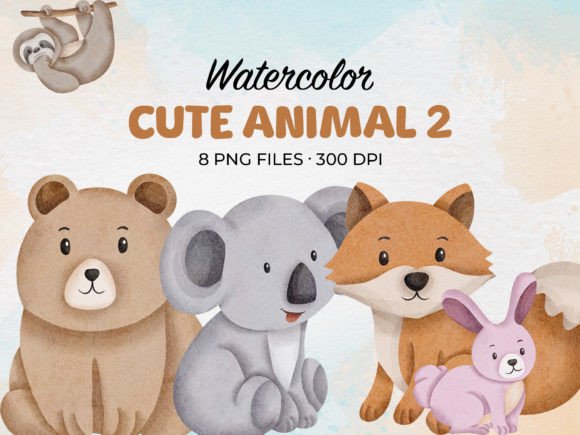
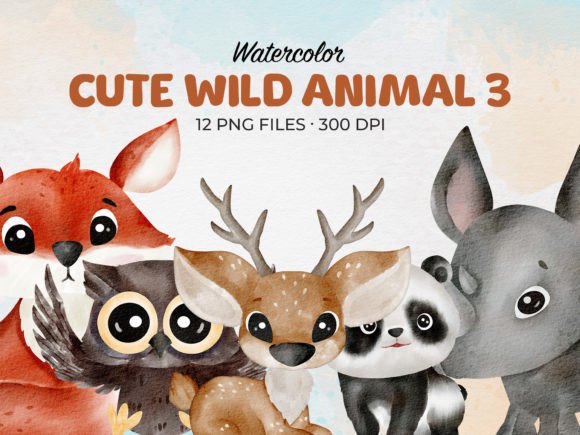
There's something deeply captivating about watercolor art—it carries an organic, hand-painted quality that digital designs often struggle to replicate. Watercolor Wild Animal 3 Clip Art captures this authenticity beautifully. Each element in this collection features soft washes of color, natural bleeding edges, and the subtle texture that makes watercolor so visually appealing. The animals rendered in this set carry personality and warmth, making them feel less like generic graphics and more like original illustrations pulled straight from an artist's sketchbook.
What sets this collection apart is its versatility. The 12 PNG files come in high-resolution 300DPI with transparent backgrounds, which means they integrate seamlessly into virtually any project. Whether you're designing in Adobe Illustrator, Canva, Procreate, or even basic desktop publishing software, these assets drop right in without the hassle of removing backgrounds or adjusting resolution. The RGB color mode ensures vibrant, screen-friendly colors that also translate well to print when handled correctly.
Where Watercolor Wild Animal 3 Clip Art Truly Shines
If you work in product design, particularly print-on-demand, this collection is a practical goldmine. Think about the kinds of products that benefit from an artistic, nature-inspired aesthetic: children's clothing, nursery décor, greeting cards, tote bags, journal covers, and stationery sets. The watercolor style gives these items a boutique, artisan feel that resonates with buyers looking for something more personal than mass-produced graphics.
Beyond POD products, these elements work exceptionally well in editorial and publishing contexts. Bloggers covering wildlife, nature, parenting, or outdoor adventure topics can use them to create cohesive featured images, social media graphics, and Pinterest pins that stand out in crowded feeds. The organic style pairs nicely with both serif and sans serif fonts, giving you flexibility in how you build visual hierarchy across your layouts. For small business owners developing brand identity materials, incorporating watercolor clip art like this can soften a brand's visual presence and make it feel more approachable and human.
Marketers and content creators will appreciate how these elements support storytelling. A single watercolor animal illustration can anchor an entire campaign theme—think seasonal promotions, Earth Day content, or wildlife conservation awareness posts. The hand-painted aesthetic naturally draws attention because it contrasts with the polished, overly produced graphics that dominate most advertising spaces. That contrast is a strategic advantage worth leveraging.
Practical Considerations for Working With This Collection
Before committing any design asset to a project, it's worth evaluating fit carefully. Watercolor Wild Animal 3 Clip Art carries a distinct style—soft, organic, and expressive. That style works beautifully for brands and projects that emphasize warmth, nature, creativity, or childhood wonder. It may not align as well with sleek, corporate, or ultra-modern aesthetics where clean geometric shapes and minimalist typography dominate. Understanding this distinction upfront saves time and ensures visual consistency across your work.
Font pairing deserves attention when incorporating these illustrations into text-heavy designs. Because watercolor art has such a strong visual personality, your typography choices matter. A clean sans serif font like Montserrat or Lato can provide grounding contrast, while a handwritten or script font can amplify the artistic feel if that suits your project's tone. Avoid pairing these elements with overly decorative display fonts that might compete for attention. The goal is complement, not competition.
One practical tip: test these assets at the actual size you plan to use them. A watercolor illustration that looks stunning at full scale might lose some of its textural detail when reduced to a small icon or thumbnail. Conversely, at very large print sizes, you'll want to confirm that the 300DPI resolution holds up crisply. Since these are PNG files with transparent backgrounds, layering them over different colored surfaces is straightforward—but always check how the semi-transparent watercolor edges interact with your background color. Sometimes a subtle adjustment to background tone makes a significant difference in how natural the final composition feels.
Licensing is another important checkpoint. This collection is designed for both personal and commercial use, including POD products like t-shirts, mugs, bags, and notebooks. However, understanding the specific terms—whether you can modify the files, how many end products you can create, and any restrictions on redistribution—protects you legally and ensures you're using the assets ethically. Reputable designers and sellers typically outline these terms clearly, so review them before finalizing any commercial project.
Building Projects That Feel Intentional
The real value of a resource like Watercolor Wild Animal 3 Clip Art lies not just in its visual appeal but in how thoughtfully you integrate it into your work. Design assets are tools, and their impact depends entirely on the context you create around them. A beautifully painted elephant clip art placed on a well-considered layout with appropriate typography, balanced spacing, and a cohesive color palette becomes part of a professional, engaging design. The same element used carelessly can feel disjointed.
Take time to consider your audience. Parents shopping for nursery art respond to different visual cues than outdoor enthusiasts browsing adventure gear. The watercolor animal illustrations in this collection are flexible enough to serve both audiences, but your surrounding design decisions—color choices, typography, layout structure, and messaging—should align with who you're trying to reach. That alignment is what transforms individual design assets into a cohesive brand identity that people recognize and trust.
Ultimately, collections like this one exist to expand your creative toolkit. They give you starting points, not finished products. The magic happens when you bring your own perspective, your understanding of your audience, and your design sensibility to the table. That combination is what produces work that connects, sells, and endures.