Swan Logo, Bird Animal Design, Duck Logo: Branding with Grace
When you think of iconic brand mascots, animals are often at the heart of the most memorable designs. A Swan Logo or a Duck Logo isn't just a picture of a bird; it's a carefully crafted symbol that conveys specific brand values. These designs leverage the inherent personality of the animal to build an instant connection with an audience. A swan suggests elegance, grace, and a premium quality, while a duck can evoke friendliness, approachability, and a sense of fun. The Bird Animal Design category is vast, but these two fowl offer a masterclass in how visual personality drives brand perception.
The Visual Language of Avian Branding
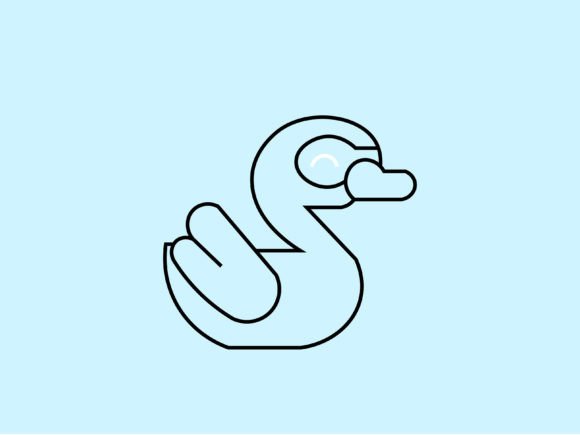
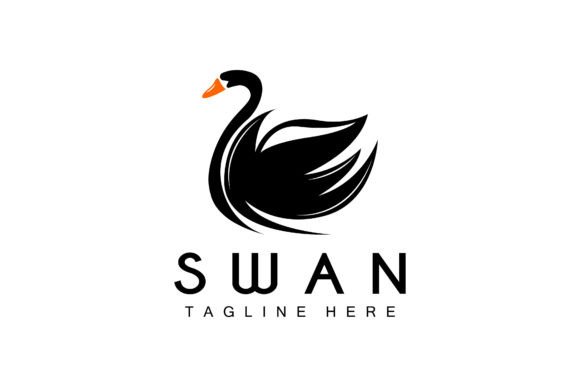
A successful animal logo distills the essence of the creature into a few key visual elements. For a Swan Logo, designers often focus on the long, elegant S-curve of the neck. This single line can communicate sophistication and fluidity. The style might be a minimalist, single-weight line art for a modern tech or luxury wellness brand, or a more detailed, illustrative approach for a high-end hotel or jewelry line. The color palette is typically monochromatic—black, white, gold, or silver—to reinforce the sense of refinement.
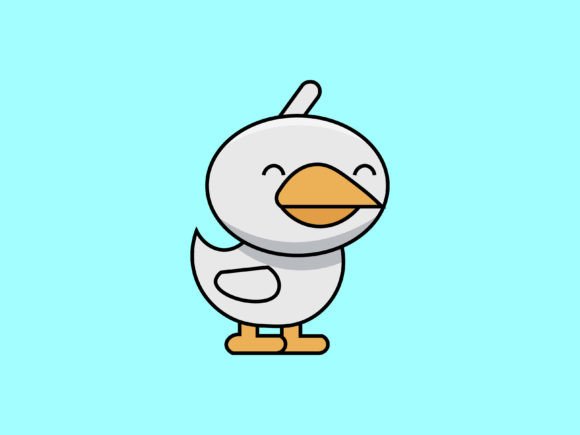
Conversely, a Duck Logo thrives on character. The rounded body, flat bill, and expressive eyes are ripe for stylization. You'll see everything from geometric, abstract ducks for creative agencies to friendly, cartoonish mascots for children's products or family-oriented businesses. The personality is built through color (often brighter, more varied palettes), expression, and posture. A duck waddling confidently can symbolize a brand that's grounded and reliable, while a duck in flight might represent ambition and forward momentum. This is the power of a well-executed Bird Animal Design.
Strategic Applications Across Industries
The utility of a Swan Logo or Duck Logo extends far beyond a company's primary mark. As a product brand label vector, these designs become versatile assets. Imagine a swan icon debossed on a leather journal, used as a foil stamp on premium packaging, or as a subtle watermark on a stationery set. Its elegance translates seamlessly across print and digital mediums, maintaining its integrity from a tiny favicon to a large-format trade show banner.
A duck mascot, on the other hand, excels in dynamic applications. It can be animated for social media stories, used as a playful icon in a mobile app interface, or featured on merchandise like t-shirts and mugs. For a small business, a friendly duck logo can make the brand feel accessible and human, which is invaluable for building community. The key is matching the animal's inherent personality to the brand's core message and the project's context. A law firm might opt for the swan's grace, while a local brewery might choose the duck's approachable charm.
Practical Guide for Designers and Business Owners
Choosing between a swan and a duck—or any animal design—requires a clear-eyed assessment of your brand's identity. Start by listing the core attributes you want to communicate: is it luxury, reliability, creativity, or warmth? Research how these animals are perceived in your target culture. Then, evaluate the design execution. A premium font pairing is crucial; a delicate script font might complement a swan logo, while a rounded sans-serif could match a duck's friendly vibe. Test the logo in black and white first to ensure the form is strong without relying on color.
For those sourcing such designs, whether as a custom commission or a commercial font and logo asset, scrutinize the included files. A proper product brand label vector file (like .AI or .EPS) is non-negotiable for scalability. Review the licensing—can you use it on merchandise? Is it suitable for a web design project? Finally, consider the broader brand identity system. The logo is the cornerstone, but the chosen typeface, color scheme, and imagery style must work in concert to tell a cohesive story. A well-chosen animal emblem, executed with professional design principles, becomes more than a mark; it becomes the heart of a recognizable and engaging brand.